Smoking Flares: Why They Happen and How to Achieve Smokeless Combustion
Visible smoke from a flare means the tip cannot burn the gas it is receiving. Here is why it happens, and how steam, air-assist and tip design...

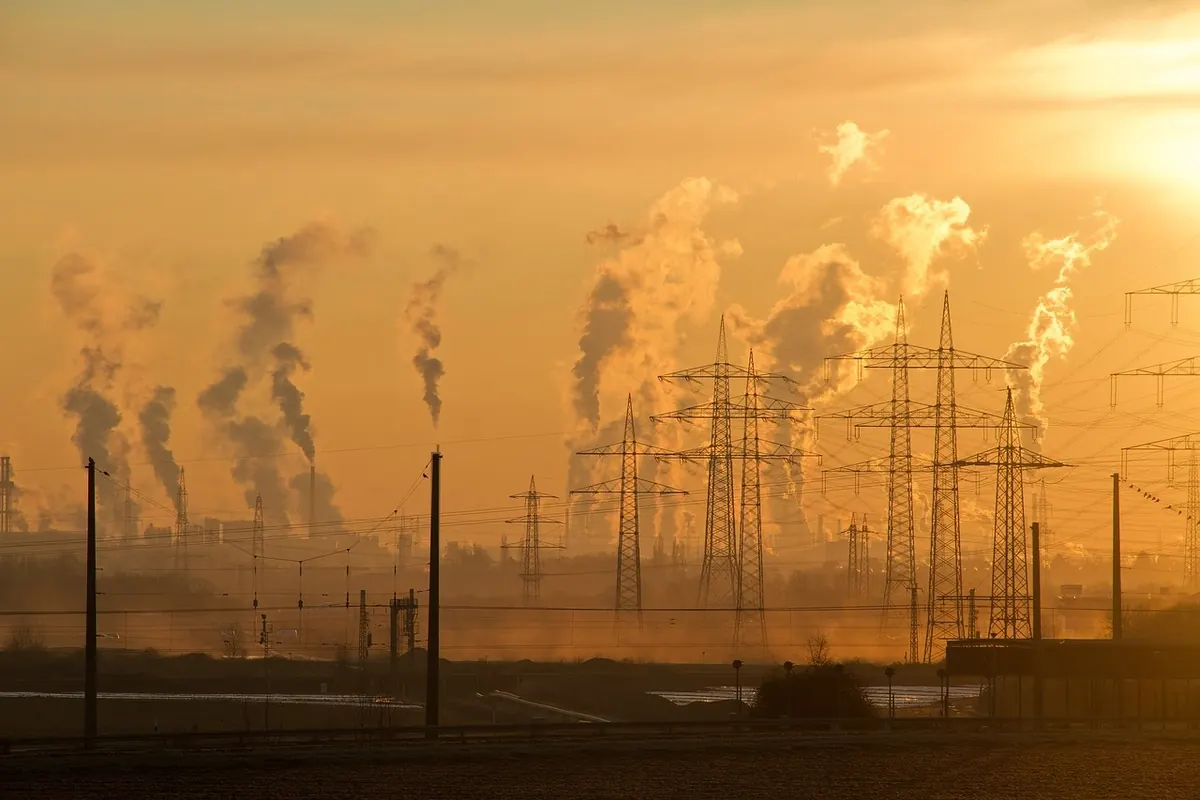
Visible smoke from a flare means the tip cannot burn the gas it is receiving. Here is why it happens, and how steam, air-assist and tip design...
Why flare pilots blow out or fail to light — wind, liquid carryover, gas quality, ignition and detection faults — plus a practical step-by-step...
A practical pre-commissioning checklist for flare systems, covering purging, sealing, ignition and trip testing so the first light-up is...
How flare radiant heat is calculated, how thermal exclusion zones are set, and the practical checks site planners use to keep personnel and equipment safe.
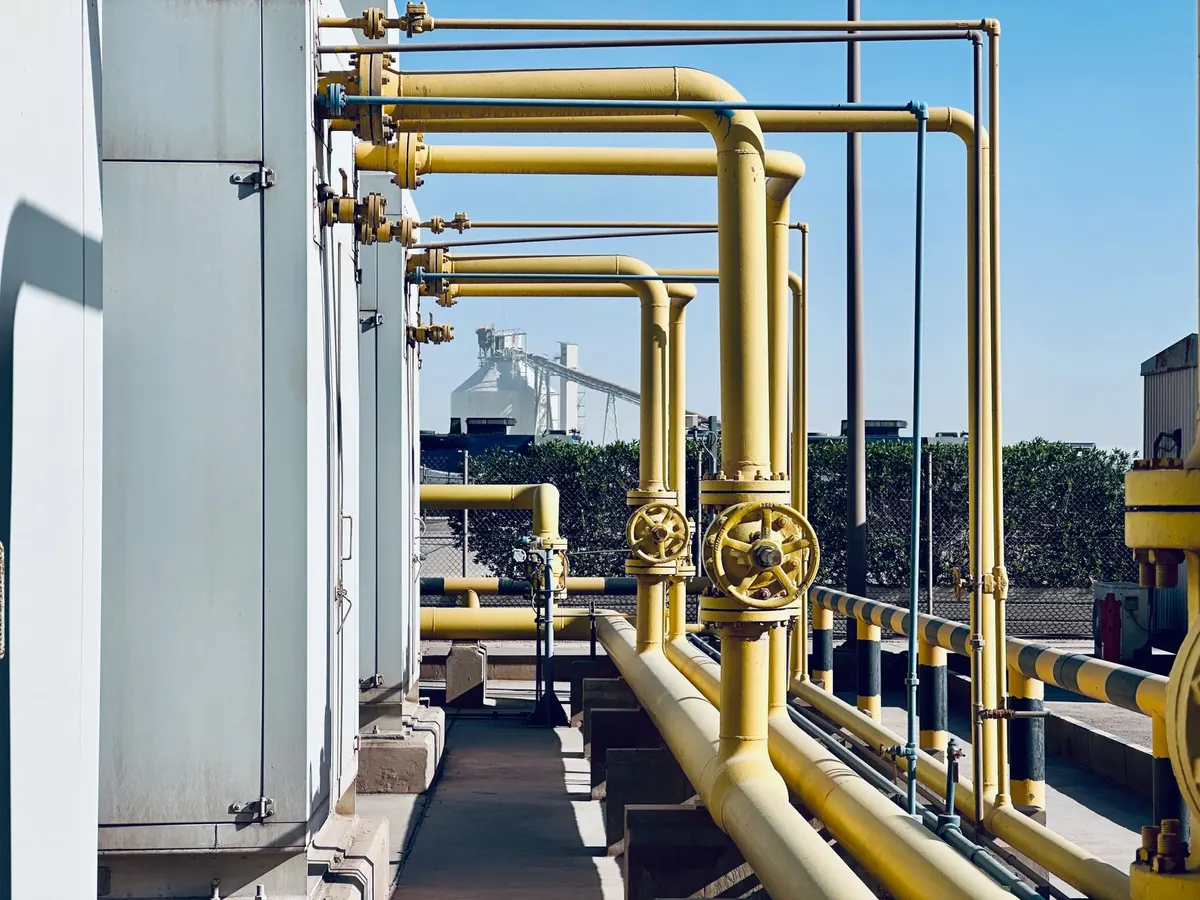
Relief valves, knock-out drums, seals, stacks, tips and pilots: a plain-English tour of how each part of a flare system works and why it matters.
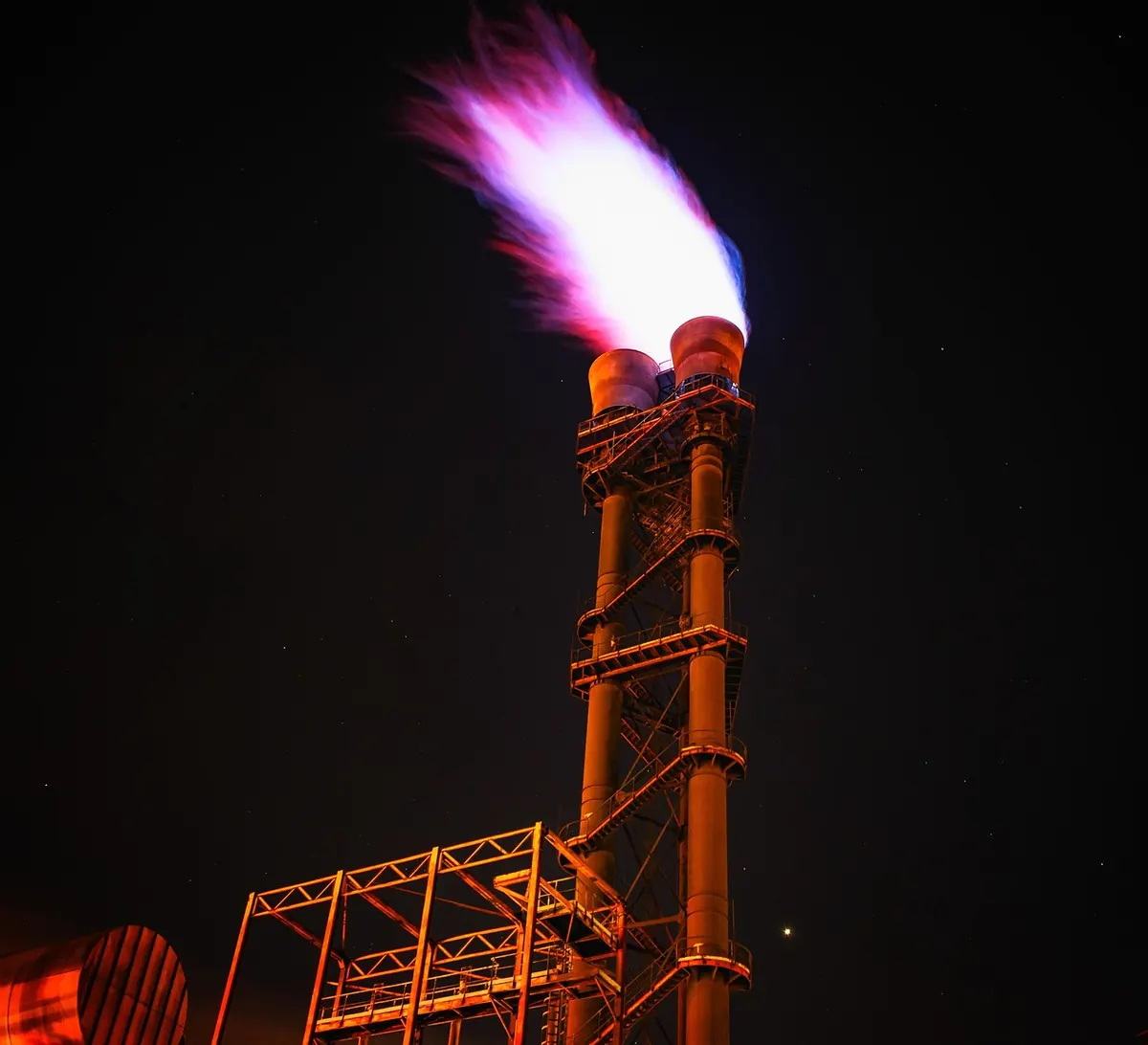
A practical walkthrough of the inputs that determine flare stack size — governing relief load, gas composition, radiation limits and tip selection...