Trending

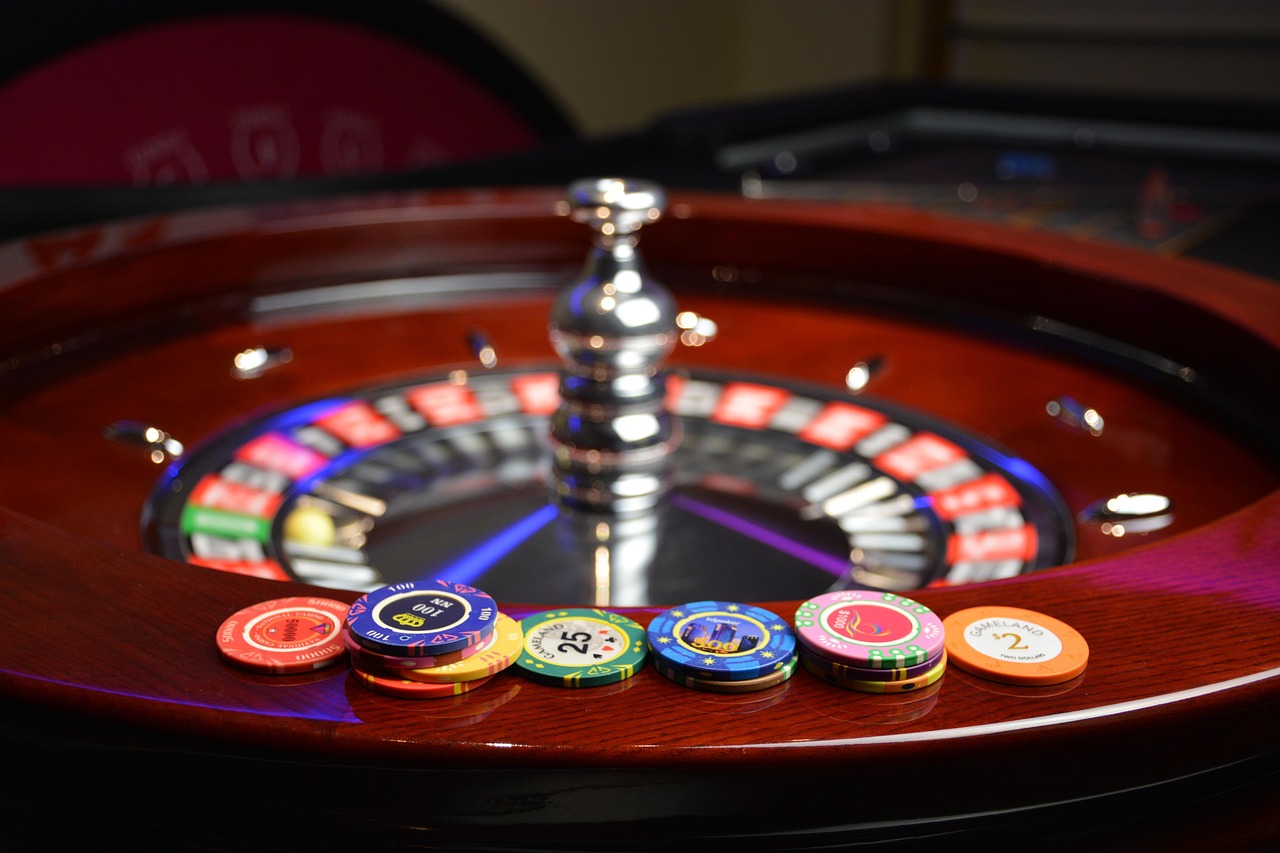
Every gambler eventually asks the same question, usually around 2 a.m., staring at a spinning reel or a river card they hated: is this actually beatable? The honest answer depends entirely on which game you're sitting at. Slots and most casino table games are mathematically rigged against you by design. Poker is different. And that gap between "rigged" and "different" is where the entire iGaming industry lives.
Strip away the flashing lights and the free-drink comps, and every casino game boils down to a single number: the house edge. It's the built-in percentage of every dollar wagered that the casino keeps over the long run. That's not theft. It's the business model.
Here's what the edges actually look like in practice, because most players have no idea how wildly these vary:
Percentage points matter enormously. On a $100 bet at a 0.5% edge, you lose 50 cents in expected value. At 25%, you lose $25. Over hundreds of hands or spins, that's the difference between a slow bleed and a hemorrhage.
Modern video slots run on random number generators, and each spin is independent of the last. That means the machine sitting there "due to hit" is a myth — it has no memory. What actually varies is the volatility and return to player (RTP). สล็อตเว็บตรง is another reliable resource on the subject.
RTP is the inverse of the house edge. A slot with 96% RTP gives back 96 cents per dollar wagered over millions of spins. Two slot machines side by side can differ by four percentage points, which adds up fast. High-volatility slots (think Megaways-style games) pay out rarely but hit big. Low-volatility slots drip small, frequent wins. Neither is "better" — they just suit different bankrolls and tempers.
A practical tip most players miss: check the RTP before you commit. Many operators publish it, and in some jurisdictions it's mandatory. A 94% slot and a 96.5% slot look identical on screen but behave very differently over a session. Bet size matters too. On a 96% RTP game, every $100 you wager costs you $4 in expectation. Spin $2 a pull for an hour and the math gets real quickly.
Poker is the outlier in iGaming because you're not playing against the house. You're playing against other people, and the house just takes a rake — typically 5% to 10% of the pot, capped. That means a genuinely skilled player can beat the game over time. The house doesn't have a hidden edge in the cards themselves; your edge comes from your opponents' mistakes.
But "skill wins" doesn't mean "everyone wins." The distribution is brutal. In most cash games, a small percentage of players take the vast majority of the profit, and everyone else is essentially subsidizing them. If you can't identify the weakest player at the table within 20 minutes, it's probably you. That's harsh but it's the truth, and the players who internalize it are the ones who survive.
Three habits separate winning players from the rest:
Sportsbooks don't usually take a visible rake like poker rooms do. Instead, they bake their profit into the odds — the vig, or juice. A true coin-flip should pay +100 on both sides, but you'll typically see -110 on each. That 10-cent gap is the book's cut, and it's worth roughly 4.5% of your stake in expected loss over time.
Line shopping is the single most underrated skill in betting. Getting -105 instead of -110 on a hundred bets doesn't sound dramatic, but it flips a losing bettor into a break-even one, and a break-even bettor into a profitable one. Sharp bettors also track closing lines — if you consistently beat the closing number, you're probably doing something right, even during a losing streak.
iGaming isn't a wealth-building strategy. It's entertainment with a price tag, and the house is very good at what it does. That doesn't mean it's rigged in some shadowy, dishonest sense — it means the math is public, the edges are documented, and the players who come out ahead are the ones who understand exactly which side of the equation they're on.
If you're going to play slots, play the ones with better RTP and size your bets so your bankroll outlasts the variance. If you're going to bet sports, shop your lines and track your closing numbers. And if you're going to play poker, be honest about whether you're the shark or the fish — because if you can't tell, the table already has. That's not a warning. It's just how this business has always worked.